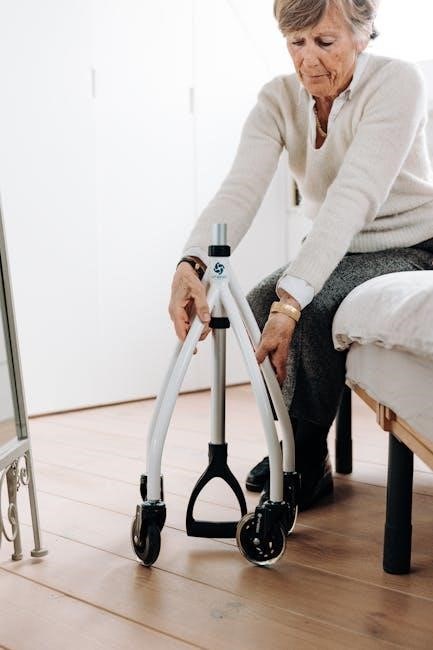
Aged Care Manual Handling Equipment: A Comprehensive Guide
This guide details essential equipment for safe patient handling, encompassing hoists, transfer aids, repositioning tools, and personal care items within aged care facilities.
Manual handling in aged care presents unique challenges, demanding a proactive approach to minimize risks for both caregivers and residents. It encompasses a wide range of tasks, from assisting with personal care like showering and toileting, to repositioning patients in bed to prevent pressure sores, and transferring individuals between beds, chairs, and wheelchairs.
Effective manual handling isn’t solely about physical strength; it’s about employing safe techniques and utilizing appropriate equipment. This includes mechanical aids such as hoists and standing frames, alongside simpler tools like transfer boards and turning sheets. Prioritizing patient mobility and staff safety is paramount, requiring comprehensive training and a supportive environment.
The Importance of Safe Manual Handling Practices
Safe manual handling is crucial in aged care to prevent musculoskeletal disorders (MSDs) among staff, stemming from physically demanding tasks like lifting and repositioning patients. Implementing proper techniques and utilizing equipment – hoists, transfer aids, and repositioning tools – significantly reduces strain on backs, shoulders, and joints.
Beyond staff wellbeing, safe practices directly impact resident comfort and dignity. Avoiding rushed or improper movements minimizes the risk of injury to those receiving care. A commitment to safe handling fosters a culture of respect and ensures residents receive assistance with compassion and proficiency, enhancing their overall quality of life.
Risks Associated with Manual Handling in Aged Care
Manual handling in aged care presents substantial risks, primarily musculoskeletal disorders (MSDs) for caregivers due to repetitive strain from lifting, transferring, and repositioning residents. These tasks often involve awkward postures, forceful movements, and sustained physical exertion.
Residents are also vulnerable to injury if handling isn’t performed correctly, potentially leading to falls, skin tears, or discomfort. Handling equipment and supplies, like oxygen tanks or wheelchairs, adds to the physical demands. Ignoring ergonomic principles and failing to utilize available aids exacerbates these risks, impacting both staff and resident wellbeing.
Legal and Ethical Considerations
Aged care facilities have a legal and ethical duty of care to protect both residents and staff from harm related to manual handling. Legislation mandates safe working environments, requiring comprehensive risk assessments and the provision of appropriate equipment.

Ethically, respecting resident dignity and autonomy during transfers is paramount. Informed consent is crucial, and care must be taken to minimize discomfort or distress. Failure to adhere to these standards can result in legal repercussions, including fines and potential lawsuits, alongside compromising the quality of care provided.
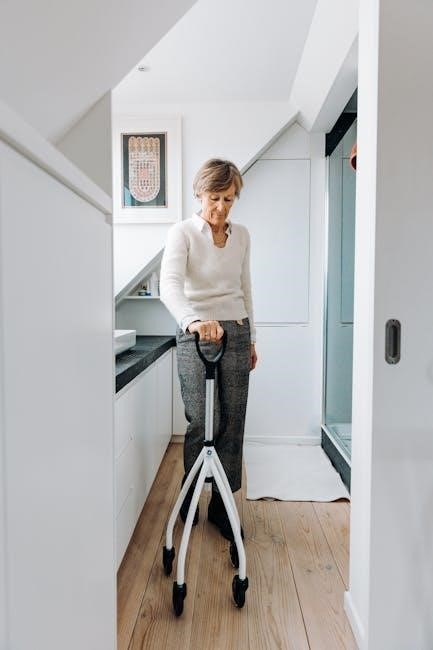
Types of Manual Handling Equipment
Various devices assist caregivers, including hoists, transfer aids, repositioning tools, and personal care equipment, all designed to minimize strain and maximize safety.
Hoists and Sling Systems
Hoists are crucial for safely lifting and transferring residents who have limited mobility or cannot bear their weight. These mechanical aids significantly reduce the risk of injury for both the resident and the caregiver. Systems include mobile hoists, offering portability between rooms, and overhead hoists, permanently installed for consistent use in specific areas.
Proper sling selection is paramount; different types cater to individual needs and transfer scenarios. Careful assessment ensures the sling provides adequate support and comfort. Correct application, checking for proper fit and secure attachment, is vital to prevent falls or discomfort during transfers. Training on hoist and sling usage is essential for all staff.
Different Types of Hoists (Mobile, Overhead)
Mobile hoists offer flexibility and are easily transported to the resident’s location, ideal for facilities without permanent overhead tracking systems. They require a stable base and sufficient space for maneuvering. Overhead hoists, conversely, are permanently installed along ceiling tracks, providing a consistent and secure lifting solution, particularly beneficial for frequent transfers in dedicated areas like bathrooms or bedrooms.
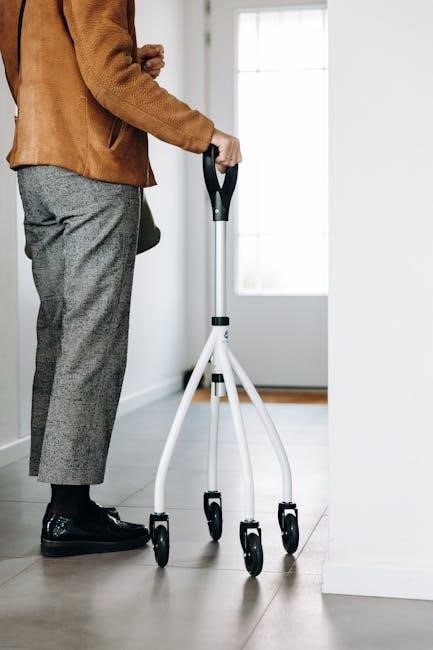
The choice depends on facility layout and resident needs. Overhead systems minimize manual handling, while mobile hoists suit varied environments. Regular inspection and maintenance of both types are crucial for safe operation and longevity, ensuring reliable assistance for residents and caregivers alike.
Sling Selection and Proper Usage
Selecting the correct sling is paramount for resident safety and comfort. Various sling types – full-body, loop, or hammock – cater to different levels of support and mobility. Proper assessment of the resident’s needs, including weight capacity, skin integrity, and limb positioning, guides sling choice.
Careful application is essential; ensure the sling is correctly positioned, avoiding pressure points or constriction. Regular inspection for wear and tear is vital. Staff must receive thorough training on sling application, removal, and compatibility with the chosen hoist system, prioritizing resident dignity throughout the process.
Transfer Aids
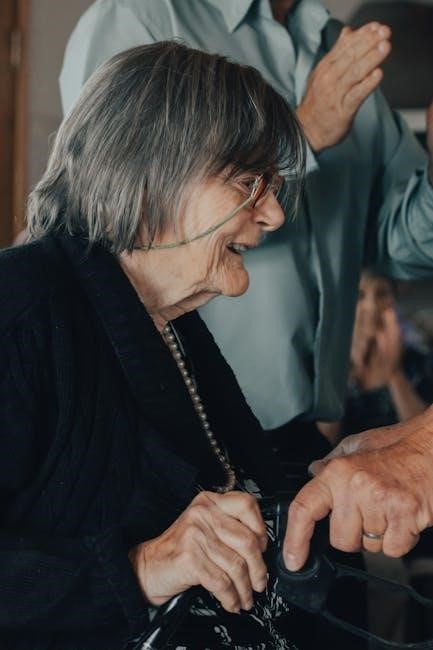
Transfer aids significantly reduce the risk of injury for both caregivers and residents during mobility. Transfer boards and belts facilitate safe lateral transfers between surfaces, minimizing friction and strain. Standing frames and gait trainers promote weight-bearing and encourage independent movement for individuals with limited lower limb strength.
These devices empower residents to participate more actively in their care, enhancing their quality of life. Proper assessment and individualized training are crucial to ensure effective and safe utilization of these aids, maximizing benefits and preventing falls or discomfort.
Transfer Boards and Belts
Transfer boards bridge the gap between two surfaces, enabling smoother, safer lateral movements for individuals with limited mobility. They minimize lifting and shearing forces, protecting both the resident and caregiver. Transfer belts provide a secure grip for assisting with transfers, distributing weight and enhancing control during the process.
Correct application and usage are paramount; belts should be snug but not constricting. Staff must receive thorough training on proper techniques to avoid skin damage or discomfort, ensuring a dignified and secure transfer experience for every resident.
Standing Frames and Gait Trainers
Standing frames offer crucial support for residents unable to bear their full weight, promoting weight-bearing and improving bone density, circulation, and respiratory function. Gait trainers assist individuals in regaining mobility and confidence with walking, providing varying levels of support as they progress.
Proper assessment and fitting are essential to ensure safety and effectiveness. Staff training must cover correct adjustments, securement, and supervision during use, fostering independence and minimizing the risk of falls or injuries. These tools are vital for rehabilitation.
Repositioning Equipment
Regular repositioning is paramount in aged care to prevent pressure sores and maintain skin integrity. Turning aids and sheets significantly reduce friction and shear forces during transfers, minimizing strain on both the resident and caregiver. These tools facilitate smoother, safer movements, especially for those with limited mobility.
Pressure relief mattresses and cushions redistribute weight, alleviating pressure points and promoting circulation. Selecting appropriate equipment based on individual needs and risk assessments is crucial, alongside consistent staff training on proper usage and skin inspection protocols.
Turning Aids and Sheets
Turning aids, like slide sheets and roller boards, are invaluable for repositioning residents with limited mobility, reducing friction and shear forces during transfers. These devices minimize strain on both the caregiver and the resident, promoting safer movements and preventing skin damage. Different materials and designs cater to varying needs and levels of assistance required.
Proper technique is essential; staff must receive thorough training on correct usage to maximize effectiveness and prevent injury. Regular assessment of skin integrity alongside repositioning is vital for maintaining resident wellbeing and preventing pressure ulcers.
Pressure Relief Mattresses and Cushions
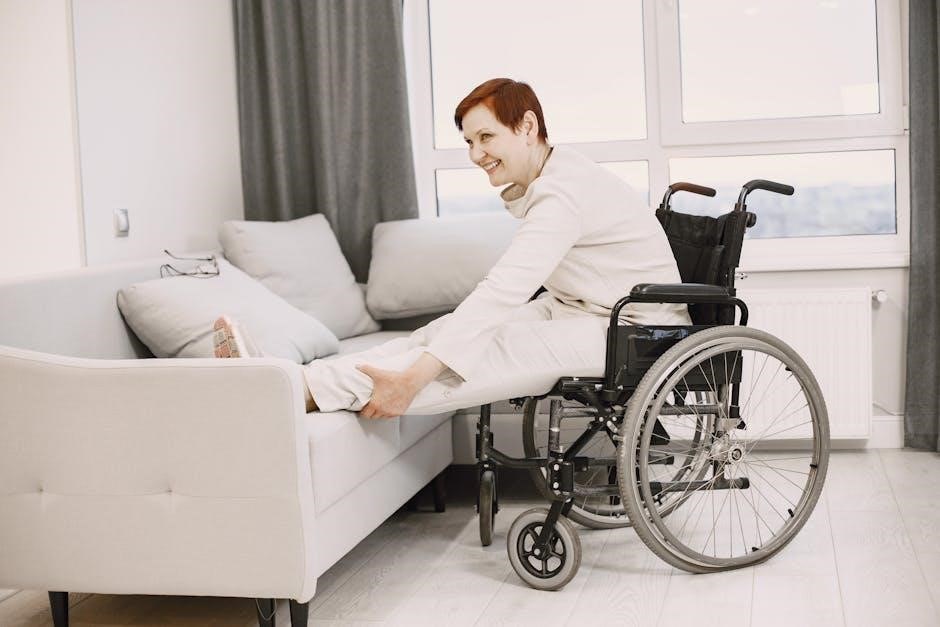
Pressure relief mattresses and cushions are crucial for preventing pressure ulcers in residents with limited mobility. These specialized surfaces redistribute weight, reducing sustained pressure on bony prominences. Options range from static foam mattresses to dynamic air-filled systems, each offering varying levels of pressure redistribution and support.
Regular assessment of skin condition is paramount, alongside appropriate mattress and cushion selection. Proper maintenance, including cleaning and inspection, ensures optimal functionality and hygiene. Combining these with frequent repositioning significantly minimizes the risk of skin breakdown.
Personal Care Equipment
Personal care equipment enhances resident dignity and safety during daily routines. Shower chairs provide stable seating during bathing, minimizing fall risks and caregiver strain. Commodes offer convenient toileting solutions for those with limited mobility, reducing the need for transfers.
Adjustable height beds and tables facilitate easier positioning and access for both residents and staff. These tools promote independence and comfort, while simultaneously reducing the physical demands on caregivers. Careful selection and proper usage are vital for maximizing benefits and preventing injuries.
Shower Chairs and Commodes
Shower chairs are crucial for safe bathing, offering seated support and reducing fall risks for residents with balance issues or weakness. Various designs exist, including those with backrests and armrests for added stability and comfort. Commodes provide convenient toileting options, minimizing transfers and promoting independence.
Adjustable height features on both chairs and commodes are essential for personalized fit and caregiver ergonomics. Proper assessment of resident needs is vital when selecting appropriate equipment, ensuring dignity and optimal functionality.
Adjustable Height Beds and Tables
Adjustable height beds significantly aid transfers, reducing strain on both residents and caregivers by positioning the bed at an optimal working height. Lowering the bed facilitates easier entry and exit, while elevating it assists with personal care tasks. Similarly, adjustable height tables promote comfortable and safe mealtimes, minimizing bending and reaching.
These features are paramount in preventing musculoskeletal injuries for staff and fostering resident independence. Careful consideration of individual needs and proper equipment operation are essential for maximizing benefits and ensuring safety.

Environmental Interventions for Improved Mobility
Optimizing room layouts and utilizing adjustable seated heights are crucial for safe sit-to-stand transfers, reducing staff injury and enhancing patient mobility.
Adjustable Seated Heights for Transfers
Adjustable seated heights significantly aid in safe and efficient transfers for aged care residents, minimizing strain on both the individual and the caregiver. Utilizing chairs and commodes with adjustable features allows for customized positioning, facilitating a smoother transition from sitting to standing.
This intervention directly addresses a key aspect of manual handling risk control, promoting patient mobility while simultaneously reducing the physical demands placed on staff. Proper height adjustment ensures optimal body mechanics during transfers, decreasing the likelihood of musculoskeletal injuries. Careful assessment of individual needs is paramount when determining appropriate seated heights, ensuring comfort and safety throughout the process.
Optimizing Room Layout for Safe Movement
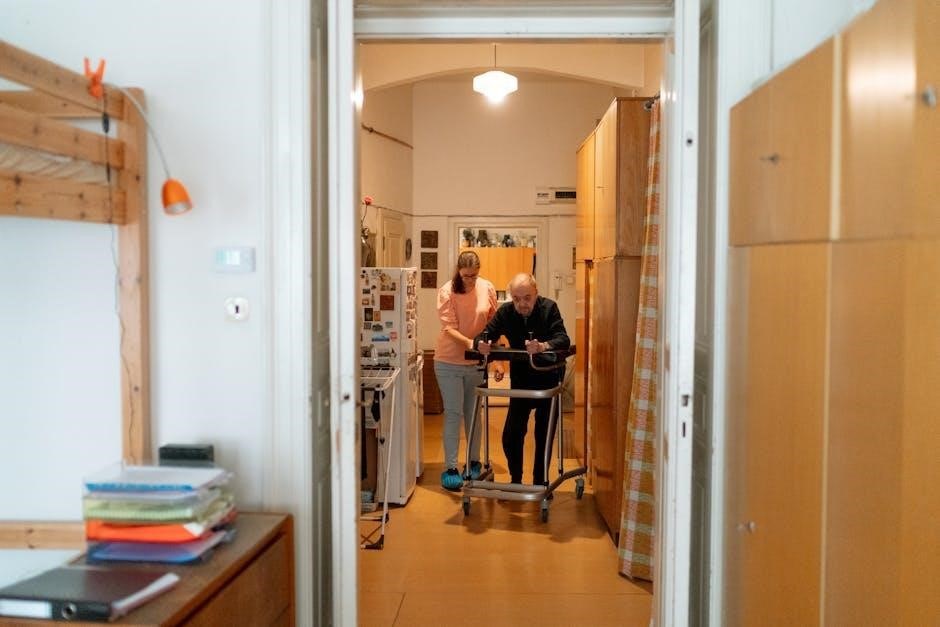
A well-planned room layout is crucial for promoting safe mobility and reducing manual handling risks within aged care environments. Clear pathways, free from obstructions like clutter or unnecessary furniture, are essential for residents and staff alike. Sufficient space around beds, chairs, and doorways allows for easy maneuvering of mobility aids such as wheelchairs and walkers.
Strategic placement of frequently used items minimizes reaching and bending, decreasing strain. Considering the flow of movement during common tasks, like transfers and personal care, further enhances safety. A thoughtfully designed space contributes significantly to a more secure and independent living experience for residents.
Equipment Maintenance and Safety Checks
Regular maintenance and rigorous safety checks are paramount for all manual handling equipment in aged care settings. Hoists, slings, transfer boards, and adjustable beds must undergo scheduled inspections to identify wear and tear, damage, or malfunctions. Detailed records of these checks, including dates and corrective actions, should be meticulously maintained.
Staff must be trained to recognize potential hazards and report any concerns immediately. Routine cleaning and lubrication, as per manufacturer guidelines, extend equipment lifespan and ensure optimal performance. Prioritizing these checks safeguards both residents and caregivers from potential injuries.
Training and Competency for Aged Care Staff
Comprehensive training on proper lifting techniques and equipment usage is crucial for aged care staff, minimizing risks and promoting safe patient handling practices.
Proper Lifting Techniques
Employing correct lifting techniques is paramount in aged care to safeguard both caregivers and residents. This begins with understanding fundamental body mechanics – maintaining a straight back, bending at the knees, and keeping the load close to the body.
Proper posture minimizes strain on the back, shoulders, and joints, preventing injuries. Staff must be trained to assess the load’s weight and the resident’s capabilities before attempting any lift or transfer.
Avoid twisting during lifts, and always maintain a firm footing. Communication with the resident throughout the process is vital, explaining each step to ensure their cooperation and comfort. Regular refresher courses reinforce these techniques, ensuring competency and a culture of safety.
Body Mechanics and Posture
Optimal body mechanics are the cornerstone of safe manual handling, prioritizing a neutral spine and balanced posture. Caregivers should maintain a wide base of support with feet shoulder-width apart, ensuring stability during movements. Bending should occur at the knees and hips, not the back, to engage larger muscle groups.
Keeping the load close to the body reduces leverage and strain. Avoid twisting motions; instead, pivot with the feet.
Maintaining good posture throughout the lift minimizes stress on joints and muscles, preventing fatigue and potential injuries. Regular awareness and practice of these principles are crucial for consistent, safe technique.
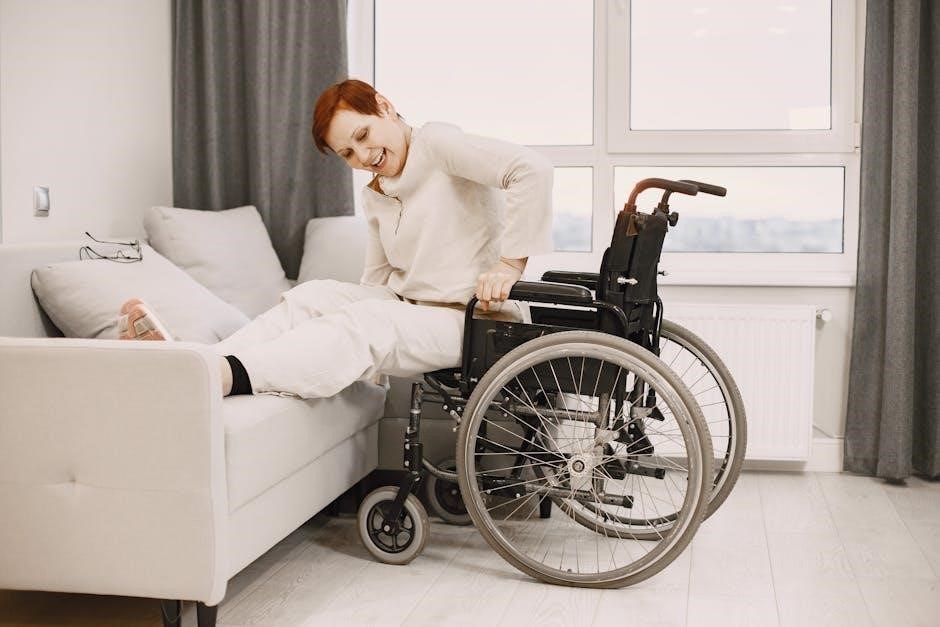
Equipment-Specific Training
Comprehensive training on each piece of manual handling equipment is paramount for safe and effective use. This extends beyond basic operation to include pre-use safety checks, proper sling selection for hoists, and understanding weight limits; Staff must be proficient in identifying potential hazards and troubleshooting common issues.
Training should cover emergency procedures, such as hoist malfunction protocols, and emphasize the importance of following manufacturer guidelines. Regular refresher courses are vital to reinforce best practices and address any skill gaps.