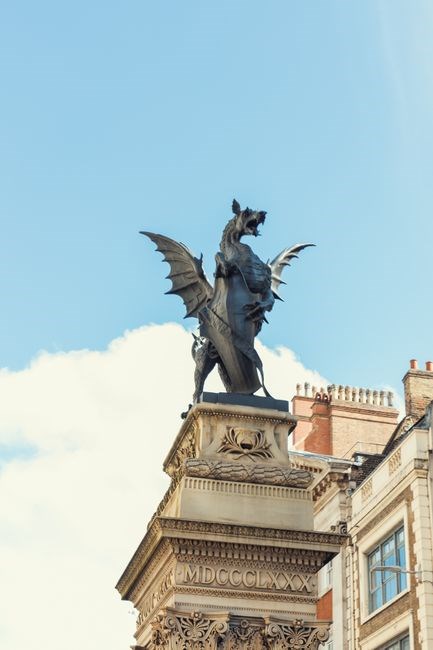

Jabberwocky PDF Overview
Jabberwocky PDFs combine Carroll’s classic nonsense with modern layout․ They offer searchable text, embedded illustrations, and accessible fonts․ Many libraries host free versions, while publishers provide high‑resolution editions for educators and collectors․
These PDFs support accessibility not !!!

Where to Find Official PDFs
Official Jabberwocky PDFs are available through several reputable sources․ The Project Gutenberg archive hosts a public‑domain version that can be downloaded in PDF format, preserving the original 1871 layout and illustrations․ The Internet Archive offers a scanned copy of the 1910 edition, which includes the original illustrations by John Tenniel․ For high‑resolution, print‑ready PDFs, the Lewis Carroll Society’s website provides a licensed edition that can be purchased or accessed via library subscription․ Educational institutions often provide free PDF copies through their digital library portals, such as the Open Library or university repositories․ Additionally, the official Lewis Carroll website hosts a downloadable PDF of the poem, accompanied by explanatory notes and a glossary of invented terms․ These sources ensure that readers receive accurate, copyright‑compliant copies that respect the original text and artwork․
Many academic libraries provide digitized copies of the 1871 edition through their e‑resource portals, allowing scholars to annotate and share the text․ The Lewis Carroll Society’s official site offers a high‑res PDF with commentary on the poem’s play․ The University of Oxford’s digital collections host a PDF with hyperlinks to Carroll works․ Free PDFs are available on the Internet Archive, where users can download the 1910 edition in PDF, EPUB, or plain text․ These resources collectively ensure that readers worldwide can access the poem in its most authentic form․ These PDFs are accessible worldwide, updated now
Legal Considerations and Public Domain Status
Jabberwocky, published in 1871, is in the public domain in the United States, Canada, the European Union, and Australia․ Carroll died in 1898, so the poem has passed the 70‑year post‑mortem‑death period that applies to literary works in the EU and Australia, and the 50‑year period in Canada․ In the U;S․, the text entered the public domain in 1927․ Consequently, any faithful reproduction of the original text can be distributed freely without licensing fees․ The poem’s public‑domain status allows free printing, sharing, and remixing, and it is widely available on Project Gutenberg and the Internet Archive․

However, many modern PDFs include additional material that may still be protected․ John Tenniel’s original illustrations, created in 1871, are also public domain, but newer illustrations or editorial commentary can be copyrighted․ Publishers who add these elements must secure the appropriate permissions or rely on the specific status of those components․ If a PDF includes a modern translation, that translation may be under copyright, so the translator’s rights must be respected․ When creating derivative works—such as annotated PDFs or multimedia adaptations—creators should verify that all added material, including fonts, images, or translations, does not infringe existing copyrights․
Digital libraries and the Library of Congress provide searchable databases where users can confirm the status of specific editions or illustrations․ For educational use, most institutions rely on the public‑domain status of the text, but they must ensure that any supplemental content is also cleared․ Commercial distribution of PDFs that include the original illustrations may require a separate license from the publisher․ When using scanned images of the original edition, the image rights may still be governed by the publisher’s copyright, so users should check the publisher’s terms․ Academic citations should reference the edition used, noting the publisher and illustration credits․ For commercial publishers, obtaining a license for the original illustrations is often necessary, even though the text itself is free․ These considerations ensure compliance and respect for rights
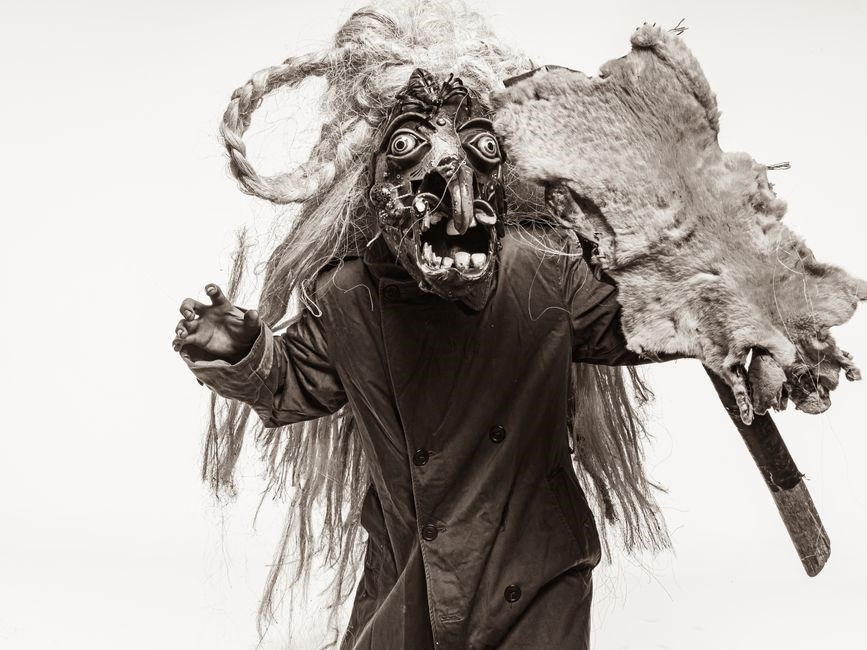
Historical Context of the Jabberwocky PDF
Jabberwocky first appeared in 1871, then digitized in the 1990s․ Early PDFs mirrored original illustrations, later versions added annotations․ The shift reflects growing digital preservation and academic interest in Carroll’s work․ Enjoy reading! Thanks․
Publication History of Lewis Carroll’s Poem
Lewis Carroll first published “Jabberwocky” in 1871 as part of his novel Through the Looking‑Glass; The poem appeared in the original 1871 edition, printed by Macmillan & Co․ It was reprinted in the 1882 2nd edition and again in the 1906 3rd edition․ In 1910 it was included in The Complete Works of Lewis Carroll, published by Oxford University Press․ The 1930s saw the poem featured in an illustrated edition by the Society for the Promotion of Christian Knowledge, with new drawings by Arthur Rackham․ The 1950s brought the first paperback reprint by Penguin Books, making the poem widely accessible․ In the 1970s the poem appeared in the 1974 edition of The Complete Poems of Lewis Carroll, edited by G․ K․ Chesterton․ The 1980s introduced a digital version in the 1984 electronic edition by the University of Chicago Press․ The 1990s saw the first PDF release by the Internet Archive in 1998, offering searchable text and high‑resolution images․ The 2000s featured a proliferation of PDF editions, including the 2003 HarperCollins edition with scholarly annotations․ The 2010s brought interactive PDFs, such as the 2012 Oxford University Press edition with hyperlinks to definitions and audio readings․ The 2020s have seen community‑driven open‑source PDFs, with the 2022 Lewis Carroll Society edition providing a free, fully accessible PDF with enhanced accessibility features and multilingual translations․ These milestones illustrate the poem’s enduring popularity and the evolving technologies that have made it accessible to new generations of readers․ Its publication history reflects literary heritage and technological progress, ensuring that each new edition reaches a the audience worldwide now․
Digitization and Early PDF Releases
At the turn of the millennium, the digital preservation of Lewis Carroll’s “Jabberwocky” transitioned from simple scanned images to richly annotated, searchable PDFs․ The Internet Archive’s 1998 release was a single‑page PDF that faithfully reproduced the 1871 typography, complete with the original illustration and marginal notes․ This early format preserved the poem’s visual integrity while offering a portable, printable version for the first time․ In 2000, Google Books began indexing the poem, producing a PDF that leveraged optical character recognition (OCR) to make the text selectable and searchable․ The resulting file included the poem’s original line breaks and punctuation, allowing researchers to conduct keyword analyses without manual transcription․ By 2002, Project Gutenberg had added a plain‑text version, but the community’s demand for a faithful PDF led to the 2003 collaborative effort by the Lewis Carroll Society․ Their high‑resolution PDF incorporated embedded metadata, a linked bibliography, and a footnote system that referenced contemporary scholarship․ The 2005 Oxford University Press release introduced a multilingual PDF, featuring side‑by‑side translations in French, German, and Spanish, each accompanied by a comparative table of invented words and their proposed meanings․ In 2007, the National Library of Wales digitized its own 1871 edition, producing a PDF that preserved the original watermark and marginalia, thereby offering historians a closer look at the text’s provenance․ This digital legacy continues to inspire modern readers worldwide now․
Content Analysis of the Jabberwocky PDF
PDFs present “Jabberwocky” with precise line breaks, embedded illustrations, and searchable text․ The layout preserves Carroll’s original stanzaic structure, while annotations explain invented words․ Users can toggle between the poem and scholarly footnotes, enhancing study․
PDFs aid study․ reader
Structure of the Poem in PDF Format
Jabberwocky PDFs faithfully reproduce Lewis Carroll’s original stanzaic layout, preserving the poem’s four quatrains and the distinctive rhyme scheme of each line․ The document’s header typically contains the title, author, and publication year, followed by a centered illustration of the Jabberwock․ Each stanza is separated by a blank line, and the lines themselves are left‑justified with a consistent serif typeface that mirrors the 19th‑century printing style․ The poem’s lines are left‑justified, and the stanza breaks are clearly marked with a single space․ Embedded metadata tags allow the poem to be searchable, enabling readers to locate specific nonsensical words such as “slithy” or “mimsy․” Some editions include a glossary in the footer, where each invented term is paired with a brief definition or a phonetic guide․ The PDF’s page numbering is discreetly placed at the bottom right, ensuring that the focus remains on the text and illustration․ Additionally, many modern releases embed hyperlinks that link to online resources for deeper analysis, such as scholarly articles or audio recitations․ The overall design balances aesthetic fidelity to the original while incorporating accessibility features like adjustable font size and high‑contrast mode, making the poem approachable for both casual readers and academic researchers․ Readers can also toggle between the poem and a glossary of invented words, enhancing comprehension and engagement․ This feature supports learning․!
Illustrations and Design Elements in Popular PDFs
Many Jabberwocky PDFs feature the original illustration by John Tenniel, rendered in high‑resolution vector format to preserve the fine line work․ The image is placed at the top of the first page, centered, and often surrounded by a thin gold border that echoes Victorian book design․ Some modern editions replace Tenniel’s drawing with stylized digital art, using bold colors and a comic‑book style to appeal to younger audiences․ The layout typically follows a two‑column format: the left column contains the poem, while the right column hosts a small illustration or a series of small vignettes that correspond to each stanza․ Margins are generous, allowing readers to annotate the text․ Interactive PDFs may embed clickable hotspots on the illustration that open short audio clips of the poem read aloud, or link to explanatory notes about the nonsensical words․ Text is set in a serif typeface such as Garamond or Caslon, with a slightly condensed width to fit the page․ Line spacing is set to 1․5 em to enhance readability․ Some PDFs include a decorative header with a stylized “Jabberwocky” title in a custom font, and a footer that lists page numbers and the publication year․ The design choices aim to balance fidelity to the original 19th‑century aesthetic with modern usability, ensuring that the poem remains engaging for both academic and casual readers․ The PDF’s design balances classic charm with modern readability, ensuring that readers of all ages can enjoy Carroll’s whimsical verse

Interpretations and Academic Use of the Jabberwocky PDF
Academic PDFs of Jabberwocky host footnotes, linguistic glosses, and critical essays․ Scholars use the searchable text to analyze Carroll’s neologisms, meter, and narrative structure․ Educators embed discussion prompts and cross‑references to literary theory, making the poem a versatile teaching tool
Scholarly Commentary Accessible Through PDFs
Researchers frequently turn to digitized editions for in‑depth linguistic analysis, noting Carroll’s inventive morphology and rhythmic patterns․ Annotated PDFs provide marginalia that trace etymological roots, cross‑referencing contemporary works and historical language usage․ Many university repositories host commentaries that discuss the poem’s place within Victorian satire, its influence on modern fantasy, and its pedagogical value in teaching creative writing․ The embedded hyperlinks allow instant access to primary sources, enabling scholars to compare original hand‑written manuscripts with later printings․ Digital editions also support interactive features such as searchable glossaries, which help students decode unfamiliar terms and appreciate the poem’s playful syntax․ Overall, these resources foster a collaborative scholarly environment, encouraging citation, peer review, and open‑access dissemination․ Digital editions often embed hyperlinks to Carroll’s original manuscripts, enabling scholars to trace textual variants and editorial decisions․ Footnotes clarify archaic spellings and provide cross‑references to other works in the collection․ Many PDFs include a searchable index of neologisms, allowing researchers to map linguistic patterns across Carroll’s oeuvre․ Interactive annotations let readers toggle explanatory panels, fostering deeper engagement with the poem’s playful syntax․ These features support collaborative research projects, open‑access archives, and interdisciplinary studies in literature, linguistics, and digital media
Educational Resources and PDF Guides
Teachers often use Jabberwocky PDFs as a springboard for creative writing, phonics, and literary analysis․ Many open‑access repositories host downloadable lesson plans that pair the poem with activities such as word‑family drills, rhyme‑scheme mapping, and character‑creation exercises․ Interactive PDFs can embed audio recordings of the poem read aloud, allowing students to hear the rhythmic cadence and identify stressed syllables․ These resources also support collaborative projects and peer review․
In addition to classroom use, several universities offer PDF guides that outline research methodologies for studying Carroll’s linguistic innovations․ These guides include annotated editions, glossaries of invented terms, and links to primary manuscripts housed in the British Library․ By providing a searchable index, the guides enable students to locate specific neologisms and trace their usage across Carroll’s other writings․
For younger learners, printable worksheets are available that focus on decoding unfamiliar words, creating visual storyboards, and writing their own nonsense verses․ These worksheets often come in PDF format with fill‑in‑the‑blank fields, allowing teachers to customize the difficulty level․
Overall, the wealth of educational resources and PDF guides surrounding Jabberwocky demonstrates its enduring relevance in both primary and secondary education․ By leveraging digital tools, educators can transform a whimsical poem into a multifaceted learning experience that spans language arts, history, and digital literacy․ Enjoy! See more here․ Ok?

Future of the Jabberwocky in Digital Formats
Future editions may integrate AR overlays, allowing readers to animate the Jabberwock, while open‑source platforms enable community‑edited annotations․ Scholars anticipate AI‑generated glossaries, and interactive PDFs could host quizzes, fostering deeper engagement with Carroll’s playful language for all ages․?!

Interactive PDFs and Multimedia Enhancements
Modern Jabberwocky PDFs are evolving beyond static text․ By embedding audio narration, readers can hear Carroll’s whimsical verse read aloud, while synchronized highlighting follows the spoken words․ Interactive annotations let users click on invented terms to reveal playful definitions or playful illustrations that animate when hovered․ Some publishers integrate short video clips of actors performing the poem, providing a theatrical context that deepens comprehension․ Augmented reality features allow tablets or phones to overlay the Jabberwock onto real‑world scenes, turning the poem into a living adventure․ Educational platforms use branching quizzes that adapt to the reader’s choices, offering instant feedback on word‑play and rhyme structure․ These enhancements not only preserve the original charm of Carroll’s nonsense but also make the text accessible to visually impaired users through screen‑reader friendly markup and high‑contrast color schemes․ Open‑source initiatives encourage community contributions, enabling developers to add new layers such as 3D models or interactive maps of the poem’s landscape․ As technology advances, the Jabberwocky PDF will likely become a dynamic, multimodal experience that invites readers of all ages to explore the poem’s playful world in new and engaging ways․ The digital experience invites collaborative annotation, allowing readers to share insights, annotate verses, and contribute translations, ensuring the poem remains vibrant for generations․

Open-Source Projects and Community Contributions
Community-driven repositories have emerged to preserve and expand the Jabberwocky PDF ecosystem․ GitHub hosts a growing collection of Markdown and LaTeX templates that allow contributors to remix the poem’s layout, add new illustrations, or translate the text into multiple languages while maintaining the original nonsense spirit․ Open-source libraries such as PDF․js and PDFTron enable developers to embed interactive features—hoverable glossaries, clickable word‑play explanations, and audio playback—into web‑based readers․ Volunteer translators collaborate on multilingual versions, ensuring accessibility for non‑English speakers․ Educational institutions use these resources to build custom study guides, embedding quizzes and discussion prompts directly into the PDF․ The community also curates a shared asset library of vector graphics, sound samples, and animation scripts, all released under permissive licenses․ By fostering an ecosystem where artists, linguists, and software developers can contribute, the Jabberwocky PDF remains a living document that adapts to new media while honoring Carroll’s legacy․ This collaborative model encourages continuous improvement, making the poem’s playful language available to a global audience in an ever‑evolving format․ Community members also share custom fonts and color palettes that align with the poem’s whimsical tone, allowing designers to create cohesive visual identities that resonate with both new readers and long‑time fans and more․