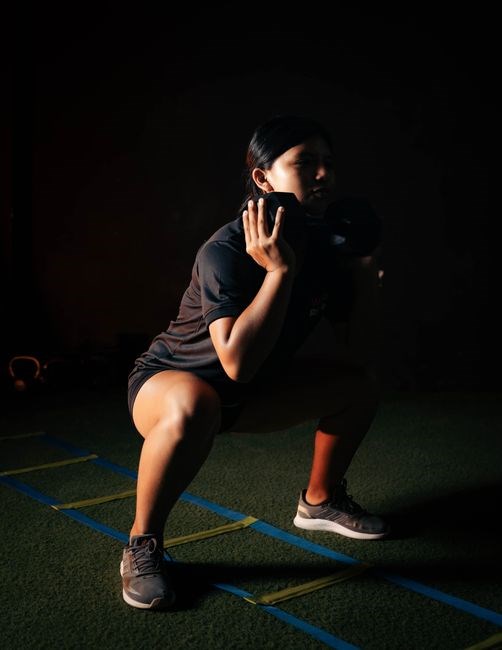

Youth strength training programs empower adolescents to build functional muscle safely․ A PDF guide outlines age‑appropriate exercises, progressive loads, and recovery strategies․ Coaches and parents use it to monitor technique, set realistic goals, and track growth․ It includes workouts and safety tips․
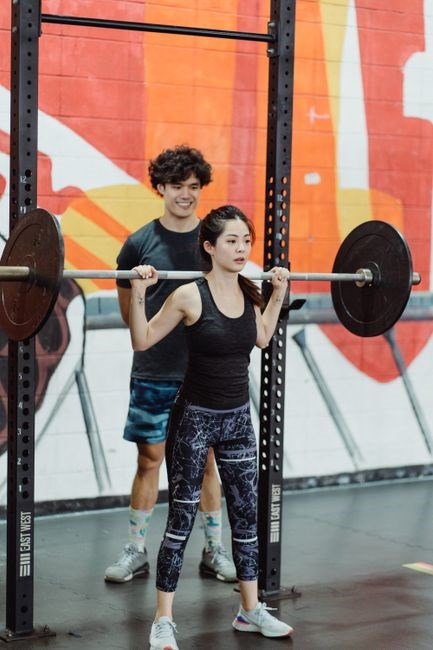
Benefits of Strength Training for Youth
Strength training tailored for adolescents offers a spectrum of advantages that extend beyond the gym․ A well‑structured PDF program demonstrates how controlled resistance lifts can increase bone mineral density, reducing future fracture risk․ By engaging major muscle groups, youths develop functional strength that improves posture, balance, and coordination—skills that translate to better performance in sports, dance, and everyday tasks․ Consistent training elevates aerobic capacity and insulin sensitivity, supporting healthy weight management and metabolic resilience․ The psychological impact is notable: mastering progressive lifts builds self‑efficacy, resilience, and a growth mindset, often reflected in higher academic engagement and improved classroom focus․ Socially, group sessions foster teamwork, communication, and a sense of belonging, while the structured environment teaches goal setting and time management․ Finally, evidence shows that youth resistance training lowers the incidence of common injuries by strengthening connective tissues and joint stability, allowing athletes to train more safely and with greater confidence․ In addition, the program encourages proper warm‑up and cool‑down routines, ensuring that joints and muscles are prepared for load and recovered afterward․ Nutritional guidance within the PDF emphasizes protein timing, hydration, and balanced macros to fuel growth and repair․ Coaches can use the PDF’s progress charts to track improvements in strength, endurance, and body composition, providing tangible feedback that motivates continued effort․ Parents benefit from clear safety protocols and injury‑prevention tips, enabling them to support their children’s training safely at home or in the community․ Overall, a youth strength training PDF equips young athletes with the tools to build a strong, healthy foundation that supports lifelong fitness and well‑being!!!․
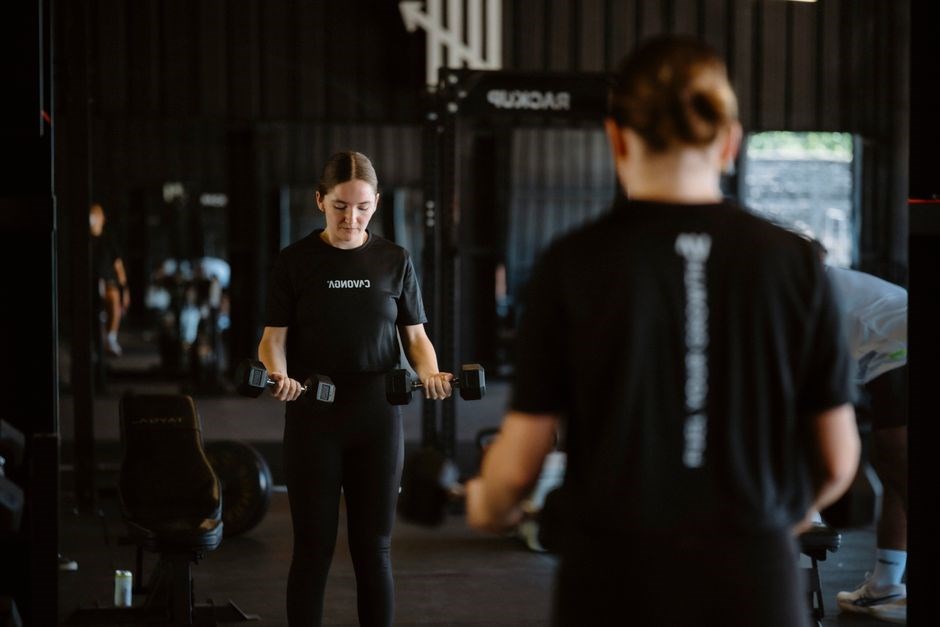
Key Principles of Youth Strength Training
In a youth strength training PDF, the foundation rests on four core principles that safeguard growth while maximizing gains; First, movement quality trumps load; coaches emphasize proper form, joint alignment, and controlled tempo to prevent compensations․ Second, progressive overload is applied cautiously—adding weight, reps, or sets only after mastery of a movement, ensuring the musculoskeletal system adapts without overtaxing․ Third, periodization structures the program into micro‑cycles that balance volume, intensity, and recovery, allowing adolescents to peak for competitions or seasonal goals․ Fourth, individualization tailors exercises to each athlete’s maturity, sport demands, and injury history; the PDF provides template variations for beginners, intermediates, and advanced lifters․ Complementary to these pillars, the guide stresses period‑specific warm‑ups, mobility drills, and cool‑downs, all designed to enhance performance and reduce injury risk․ Nutrition and sleep are highlighted as essential supports, with the PDF offering sample meal plans and recovery protocols․ These sessions foster teamwork, together lift each other’s confidence․
Additionally, the PDF outlines a clear progression chart that maps age, body mass, and training experience to recommended load ranges․ It incorporates safety checkpoints such as the “spotting” rule—ensuring a spotter is present for exercises like the bench press or squat․ The document also includes a section on psychological readiness, reminding coaches to assess motivation, confidence, and fatigue before each session․ By embedding these checks, the program reduces the risk of overtraining and promotes a positive training culture․ The PDF includes a checklist for parents to monitor sleep, hydration, and overall well‑being․
Finally, the guide offers a cheat sheet summarizing key cues for each exercise, common form errors, and corrective strategies․ This tool empowers both coach and athlete to maintain standards of technique throughout the training cycle․
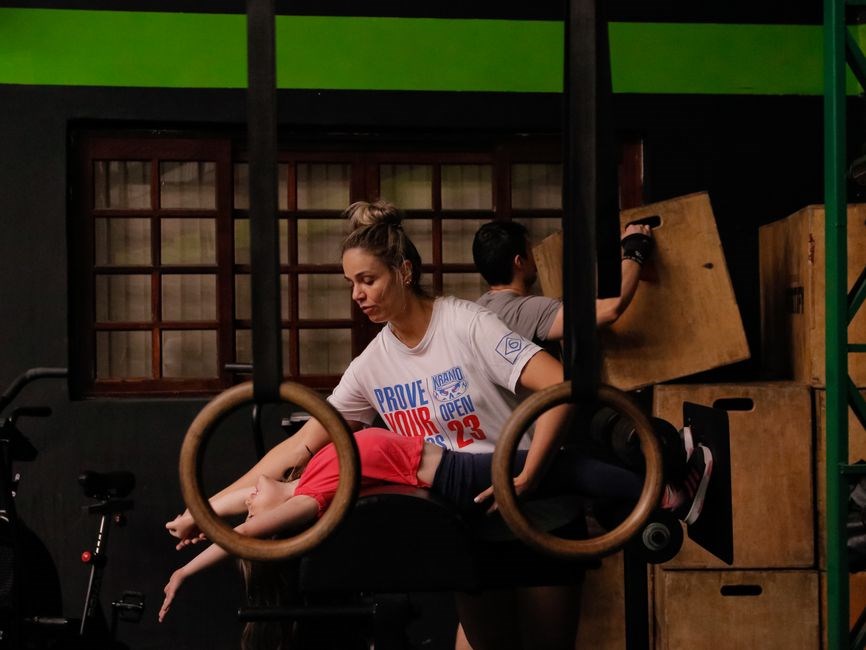
Nutrition for Strength Gains in Youth
Nutrition is the cornerstone of a youth strength program․ A PDF guide recommends a balanced intake of protein, carbohydrates, and healthy fats to support growth, recovery, and energy․ Adolescents should consume 1․2–1․5 g of protein per kilogram of body weight daily, spread across meals and snacks․ Lean meats, dairy, legumes, and nuts provide essential amino acids without excess saturated fat․ Protein timing is critical; a 20–30 g protein snack within 30 minutes post‑workout can enhance muscle protein synthesis․ Carbohydrate quality matters; complex sources like oats, quinoa, and sweet potatoes provide sustained energy and fiber․ Healthy fats such as omega‑3 rich fish, flaxseed, and avocado help reduce inflammation and support joint health․ Hydration guidelines recommend 2–3 L of water per day, increasing to 4–5 L during hot weather or intense sessions․ Sleep is the single most effective recovery tool; adolescents should aim for 8–10 hours nightly to support muscle repair and growth․ The PDF includes a sample meal plan that aligns with a 2500‑calorie target for a 14‑year‑old male, featuring 3 balanced meals and 2 nutrient‑dense snacks․ Coaches can adjust portions to meet individual caloric needs, ensuring that growth spurts are supported without excess fat gain․ The guide also highlights the importance of micronutrients like calcium, vitamin D, and iron, which are essential for bone development and hemoglobin synthesis․ By integrating these dietary pillars, the PDF empowers youth athletes to train harder, recover faster, and grow stronger while maintaining overall health․Stay consistent․
Sample Youth Strength Training Program Schedule
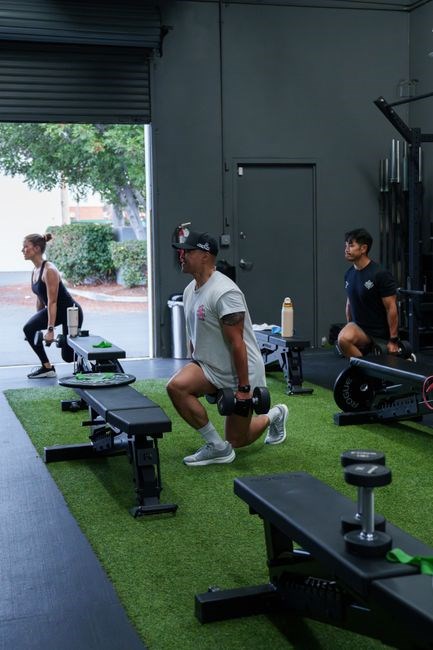
Week 1–4: 3 sessions per week․ Each session: 10‑min dynamic warm‑up, 3 sets of 8–10 reps for squats, bench press, and bent‑over rows using light bar or resistance bands․ Add 2 sets of 12–15 reps for core circuits․ Cool‑down with static stretches․ Week 5–8: Increase load by 5–10 % per exercise, add 1 set to each main lift, and introduce pull‑ups or assisted variations․ Include 3‑minute rest between sets․ Week 9–12: Add a fourth main lift (deadlift or overhead press), maintain 3–4 sets, and incorporate unilateral work (lunges, single‑leg Romanian deadlifts)․ Finish with 5‑minute mobility routine․ Rest days: active recovery (light cardio, yoga)․ Progression is tracked via a PDF log that records weight, reps, and perceived exertion․ Coaches adjust based on weekly performance and growth spurts․ This schedule balances volume, intensity, and recovery to maximize strength gains while minimizing injury risk for developing athletes․
Week 13–16: Introduce accessory work such as pull‑downs, hip thrusts, and kettlebell swings to target secondary movers․ Maintain 3 sets of 8–12 reps, focusing on form․ Incorporate a 10‑minute mobility circuit before each session to enhance joint range․ Rest days should include light swimming or cycling to promote blood flow․ Coaches should review the PDF log weekly, adjusting load by 2․5 % if the athlete can complete all reps with proper technique․ Encourage athletes to log sleep quality and stress levels, as these influence recovery․ The program emphasizes gradual progression, ensuring that each new load is tolerated before advancing․ By the end of the 16‑week cycle, athletes should experience measurable increases in one‑rep maxes and muscular endurance now!!

Monitoring Progress and Assessment
Effective youth strength training hinges on systematic tracking․ A PDF log sheet, embedded in the program, captures key metrics: session date, exercise selection, load (kg or lbs), sets, reps, and perceived exertion (RPE 1–10)․ Coaches review the sheet after each workout, noting any deviations from prescribed volume or intensity․ Weekly summaries are compiled, highlighting trends in load progression and consistency․
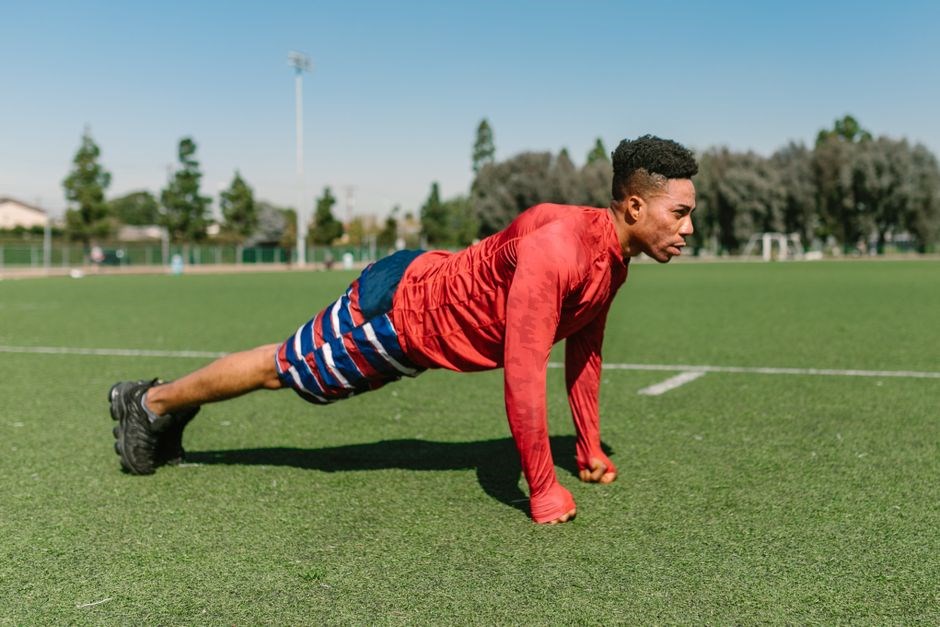
Every four weeks, a formal assessment is scheduled․ The athlete performs a 1‑rep max (1RM) test for major lifts—squat, bench press, and deadlift—using a safe, supervised protocol․ The 1RM is then used to calculate training loads for the next cycle, ensuring that intensity remains within the 60–80 % range appropriate for adolescent development․ In addition, functional tests such as the vertical jump, medicine ball throw, and plank hold are administered to gauge neuromuscular coordination and core stability․
Body composition checks are integrated quarterly․ Skinfold calipers or bio‑impedance scales provide estimates of fat mass and lean tissue, offering insight into muscular hypertrophy versus fat gain․ Coaches also monitor growth spurts by recording height and weight at each assessment, adjusting training volume accordingly to prevent over‑loading during rapid growth periods․
Psychological readiness is assessed through a brief questionnaire, asking about sleep quality, mood, and perceived fatigue․ This data informs recovery strategies; for instance, a high fatigue score may trigger a lighter week or additional mobility work․ Parents and coaches collaborate to interpret these findings, ensuring that the athlete’s overall well‑being is prioritized over purely numerical gains․
All collected data is uploaded to a secure cloud platform, where a downloadable PDF summary is generated automatically․ This summary includes graphs of load progression, strength gains, and body composition changes, allowing stakeholders to visualize progress over time․ By maintaining rigorous, evidence‑based monitoring, the program supports safe, sustainable development while fostering a culture of accountability and continuous improvement for young athletes․
Equipment and Facility Requirements
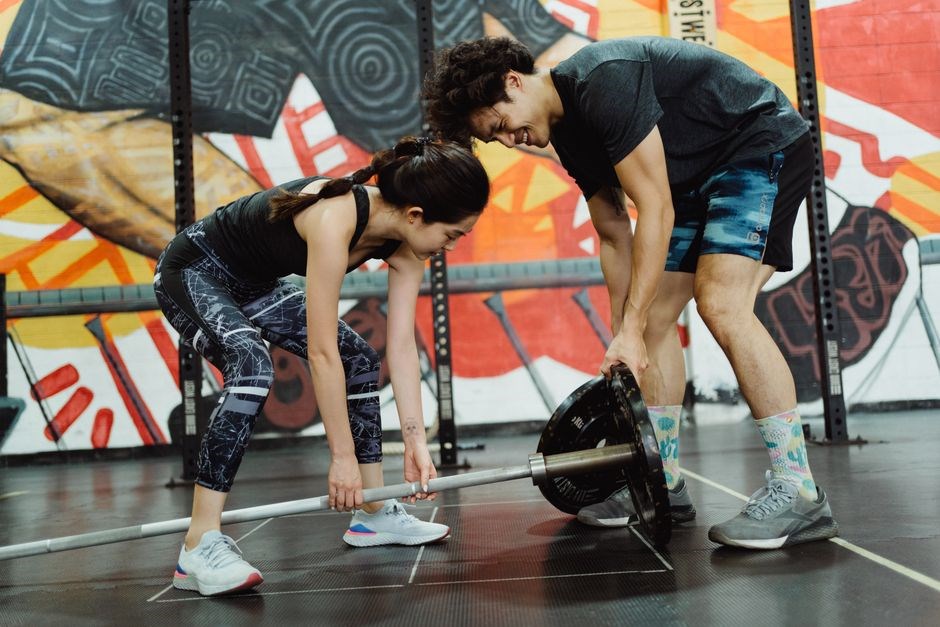
For a youth strength program, a balanced set of equipment is essential․ The core items include a calibrated barbell rack, adjustable dumbbells (0–50 lb), a squat platform, and a bench․ A set of bumper plates (25–45 lb) allows safe Olympic lifts․ Resistance bands, medicine balls, and a weighted vest provide variety for body‑weight progression․ A sturdy, non‑slip mat covers the floor for plyometrics and core work;
Facilities should offer a clear, well‑lit space of at least 30 ft × 20 ft․ Adequate ventilation and temperature control prevent overheating․ A dedicated weight area with a padded floor reduces injury risk․ Mirrors aid form correction․ Safety equipment—spotting bars, padded collars, and a first‑aid kit—must be readily available․
Storage solutions include wall‑mounted racks and a lockable cabinet for personal gear․ A hydration station with filtered water and a small refrigerator for protein shakes keep athletes refreshed․ A digital display can show the weekly program from the PDF, ensuring everyone follows the same plan․ Accessibility features, such as ramps and wide doorways, accommodate all participants․
Regular maintenance checks on all apparatus are mandatory․ Inspect plates for dents, ensure collars lock securely, and verify that the rack’s load capacity exceeds the maximum expected weight; The program PDF should include a maintenance log, prompting staff to record inspections and repairs․ This systematic approach guarantees a safe, functional environment for youth athletes to thrive․ All athletes must follow daily․
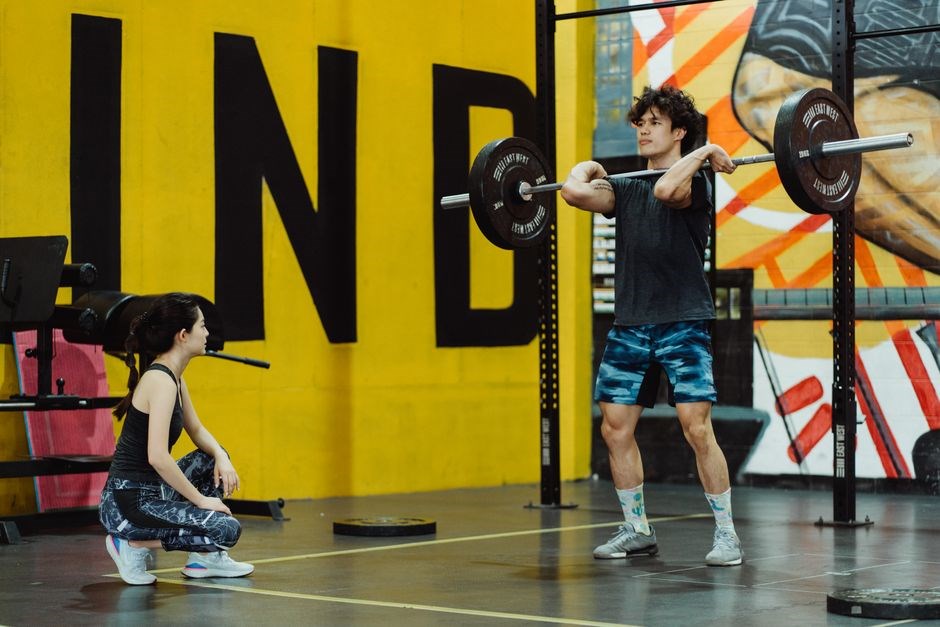
Regular maintenance checks on all apparatus are mandatory․ Inspect plates for dents, ensure collars lock securely, and verify that the rack’s load capacity exceeds the maximum expected weight․ The program PDF should include a maintenance log, prompting staff to record inspections and repairs․ This systematic approach guarantees a safe, functional environment for youth athletes to thrive․

Resources and References
Key resources include the ACSM Youth Strength & Conditioning Guidelines, the National Strength & Conditioning Association (NSCA) Youth Handbook, and the American Academy of Pediatrics’ position on adolescent training․ Online PDFs and interactive modules are also cited․ These sources provide progs charts․
Age-Appropriate Programming
Designing a PDF program for youth requires tailoring volume, intensity, and movement complexity to developmental stages․ For ages 10‑12, focus on body‑weight fundamentals, coordination drills, and light resistance bands, keeping total weekly load below 30 % of one‑rep max․ Ages 13‑15 can introduce controlled barbells, emphasizing technique, with 40‑50 % of one‑rep max and 2‑3 sets per exercise․ From 16‑18, progressive overload becomes central; athletes may handle 60‑70 % of one‑rep max, 3‑4 sets, and incorporate periodized cycles (linear, undulating, or block)․ Each phase should include a 5‑minute dynamic warm‑up, 10‑15 minutes of core stabilization, and a cool‑down with mobility work․ The PDF layout should present clear progression tables, age‑specific rep ranges, and safety cues․ Coaches must verify form before adding load, and parents should monitor recovery, sleep, and nutrition․ By aligning program structure with growth spurts, the PDF ensures safe, effective strength gains while minimizing injury risk․
To aid implementation, the PDF includes a sample weekly schedule, a log sheet, and a checklist for equipment safety․ It references the American College of Sports Medicine’s 2022 Youth Strength and Conditioning Position Statement, which recommends a minimum of two strength sessions per week for pre‑pubescent athletes and three for post‑pubescent․ The document also cites the National Strength & Conditioning Association’s Youth Handbook, providing evidence‑based load limits and technique videos․ By integrating these resources, the PDF becomes a comprehensive toolkit that coaches, trainers, and parents can use to monitor progress and adjust programming as adolescents mature․
Finally, the PDF encourages regular assessment through functional movement screens, vertical jump tests, and strength benchmarks․ These metrics help identify asymmetries and inform individualized adjustments․ The guide emphasizes the importance of periodized rest days, active recovery, and sport‑specific skill integration․ By embedding these evidence‑based practices, the PDF supports long‑term athletic development and fosters a positive training culture among youth athletes․ Stay!!!
Safety Considerations and Injury Prevention
Implementing a youth strength training PDF demands strict safety protocols․ Begin with a thorough pre‑screening: medical clearance, growth‑plate status, and baseline movement patterns․ The PDF should mandate a 5‑minute dynamic warm‑up, followed by mobility drills targeting the hips, shoulders, and thoracic spine․ Coaches must enforce proper technique before load application; video analysis tools can flag compensations․ Use light resistance (≤30 % 1RM) for beginners, progressing only after 90 % form consistency․ The program must include rest intervals of 2–3 minutes between sets for adolescents, reducing fatigue‑related errors․ A “no‑heavy‑load” rule for children under 12 protects growth plates․ The PDF should list emergency contacts, first‑aid kits, and clear instructions for handling strains or sprains․ Encourage hydration, 8–10 hours of sleep, and balanced nutrition to support recovery․ Incorporate regular screening for overuse symptoms: pain in knees, ankles, or lower back․ The document should also provide a log for pain reports and a protocol for pausing training if pain persists․ Finally, embed a section on equipment safety: proper barbell setup, pad placement, and supervision during all lifts․ By embedding these guidelines, the PDF becomes a comprehensive safety framework that protects young athletes while fostering growth․ All sessions should be supervised by a qualified coach, and athletes should perform a 5‑minute cool‑down with static stretches to aid recovery daily with and․!!!!!
Progression Guidelines
Progression in a youth strength training PDF hinges on age, maturity, and individual response․ Begin with a 4‑week base phase using body‑weight and light resistance (30–40 % 1RM)․ Coaches should record movement quality scores; only when scores reach 90 % can load increase by 5–10 %․ The next 4 weeks introduce moderate loads (45–55 % 1RM) and add a second exercise per movement pattern․ Weekly volume should not exceed 12 sets per muscle group to avoid overtraining․ After 8 weeks, a 2‑week deload (50 % of previous volume) resets neuromuscular adaptation․ Progression thereafter follows a linear model: increase load by 5 % every 2 weeks, or add one more set if form remains flawless․ For athletes over 14, consider a periodized block: 3 weeks of hypertrophy (8–12 reps), 2 weeks of strength (4–6 reps), and 1 week of power (6–8 reps)․ The PDF must include a progression chart with clear markers for when to advance or regress․ Coaches should also monitor growth spurts; if a child experiences rapid height gain, pause load increases for 4 weeks․ Recovery metrics—sleep, nutrition, and soreness—should dictate progression speed․ The document should provide a decision tree: if an athlete reports pain or fatigue, revert to the previous load and add an extra rest day․ By embedding these evidence‑based steps, the PDF ensures safe, measurable, and individualized strength gains for young lifters․
The progression plan should also incorporate periodized volume adjustments based on weekly training load logs, ensuring each athlete’s total weekly load remains within safe limits while maintaining progressive overload․!!
Common Mistakes to Avoid
Skipping warm‑up: Youth lifters often jump straight into heavy sets, ignoring dynamic mobility drills․ This raises injury risk and limits power output․ A 5‑minute warm‑up with joint circles and light cardio primes the nervous system․
Over‑emphasis on weight: Coaches may push for heavier loads before technique is solid․ Proper form should be the priority; only when a child can execute a movement with 90 % quality should load increase․
Neglecting recovery: Teens need 8–10 h sleep and balanced nutrition․ Over‑training without rest leads to fatigue, decreased performance, and higher injury rates․
Ignoring growth spurts: Rapid height gains can alter biomechanics․ During growth periods, reduce load intensity and focus on flexibility and core stability․
One‑size‑fits‑all programming: Every athlete’s maturity level differs․ Tailor volume, frequency, and exercise selection to individual readiness rather than copying adult protocols․
Poor progression tracking: Without a log, it’s hard to see gains․ Use a simple PDF tracker to record sets, reps, and perceived effort each session․
Forgetting technique checks: Coaches should pause after each set to correct posture․ Video reviews or mirror feedback help maintain safe movement patterns․
Underestimating mental readiness: Youth athletes may fear failure․ Encourage a growth mindset, celebrate effort, and provide constructive feedback to build confidence․
By avoiding these pitfalls, the PDF becomes a reliable tool that safeguards young lifters while fostering steady, sustainable strength development․
Consult a coach today now!!․
Coach and Parent Roles
Coaches lead the technical side: they design age‑appropriate workouts, teach proper form, monitor load, and enforce safety․ Parents support by ensuring nutrition, rest, and a positive mindset outside training․
- Program Design: Coaches use the PDF to outline balanced sessions, adjusting volume and intensity as the athlete grows․
- Technique: Coaches demonstrate movements and give real‑time feedback; parents reinforce key cues after practice․
- Progress Tracking: Coaches log metrics in the PDF; parents review reports and set future goals․
- Nutrition: Coaches suggest balanced meals; parents prepare snacks, keep hydration high, and limit processed foods․
- Psychology: Coaches foster a growth mindset; parents model resilience and maintain open communication․
- Safety: Coaches enforce warm‑ups and proper equipment use; parents verify the training area is safe and gear fits․
- Communication: Regular meetings align goals; the PDF includes a shared notes section․
- Recovery: Coaches schedule rest days; parents support sleep hygiene and limit screen time․
When both coach and parent stay engaged, the PDF becomes a living guide that promotes sustainable strength gains and protects long‑term health․
Coaches and parents coordinate training with school schedules, ensuring balanced academics and athletics․ Weekly PDF reviews adjust volume, intensity, and recovery based on growth and feedback and motivation!!!․ and growth! stay!
Recovery Strategies
Recovery is a cornerstone of youth strength programs, ensuring growth, injury prevention, and long‑term performance․ The PDF outlines a multi‑layered approach that coaches, parents, and athletes can follow․
- Sleep: Adolescents need 9–11 hours nightly․ The guide recommends bedtime routines, limiting blue light, using sleep trackers․
- Nutrition: Post‑workout meals should contain 20–30 g protein and 30–50 g carbs․ Hydration suggests 8–10 oz fluids per 10 min of activity․
- Active Recovery: Light cardio, mobility drills, or yoga on rest days help circulation without overstressing․
- Stretching and Foam Rolling: Stretches for major muscle groups and 5‑minute foam rolls reduce soreness and improve flexibility․!!
- Rest Days: The PDF schedules 1–2 full rest days per week, with optional active recovery sessions․
- Monitoring: Coaches record perceived exertion and soreness scores in the PDF, adjusting training loads accordingly․
- Psychological Rest: Mindfulness exercises, breathing drills, and hobby time support mental recovery and reduce burnout․
- Professional Care: The guide advises seeking a sports physician for persistent pain or swelling, and using icing or compression for acute injuries․
Implementing these strategies consistently transforms training sessions into sustainable growth cycles, helping young athletes reach their full potential safely․
Sample PDF Template Layout
The PDF template is organized into clear, printable sections that guide coaches and parents through each training cycle․ At the top, a header page displays the program title, age group, and season dates․ Below, a quick‑reference table lists weekly objectives, key lifts, and volume targets․
Each week is broken into a Warm‑Up block, Strength block, and Cool‑Down block․ The Warm‑Up block contains dynamic mobility drills, a brief cardio warm‑up, and activation exercises․ The Strength block lists compound movements (e․g․, squats, push‑ups, rows) with recommended sets, reps, and load progression․ The Cool‑Down block includes static stretches and foam‑rolling cues․
Progression charts track load increments, allowing coaches to adjust intensity safely․ A “Notes” column captures athlete feedback, fatigue levels, and any injuries․ The final page provides a recovery checklist, nutrition reminders, and a space for weekly reflection․
All pages use a consistent color scheme and legible fonts (Arial 10pt for body, 12pt bold for headings)․ Margins are set to 0․75 inches to maximize printable space․ The template is designed for A4 paper, ensuring compatibility with most printers and PDF readers․
The PDF layout is designed for clarity, featuring bold headings, numbered lists, and ample white space to reduce visual clutter․ Coaches can print each page or the whole booklet, and parents can annotate directly on the PDF․ A printable progress log tracks each athlete’s weekly gains, enabling data‑driven adjustments throughout the season․
Implementation Strategy
Deploying a youth strength training PDF requires a phased rollout that aligns with coaching calendars, facility availability, and athlete readiness․ Phase 1 begins with a kickoff workshop where coaches receive a digital copy, review the layout, and complete a short competency quiz to confirm understanding of load progression, form cues, and safety protocols․ Phase 2 integrates the PDF into the weekly schedule: each session starts with a 10‑minute dynamic warm‑up, followed by the prescribed compound lifts, and concludes with a 5‑minute cool‑down․ Coaches mark load and reps in the PDF’s progress log, while parents review the recovery checklist at home․ Phase 3 introduces data‑driven adjustments; after every four weeks, a brief audit compares logged volumes to target ranges, and the PDF is updated with individualized load adjustments․ Communication is maintained through a shared cloud folder where PDFs, progress sheets, and video demonstrations are stored․ Feedback loops involve monthly parent‑coach meetings to discuss athlete motivation, injury signs, and nutrition adherence․ Throughout, the PDF’s built‑in safety checklist is checked before each session, and any deviations trigger a mandatory pause and re‑education session․ The PDF also includes a progress log template, a recovery checklist, and a section for injury prevention tips, ensuring that every training session is both effective and safe daily well․! The PDF framework promotes safety and performance and effective training for youth athletes daily․ now!!!!!!․