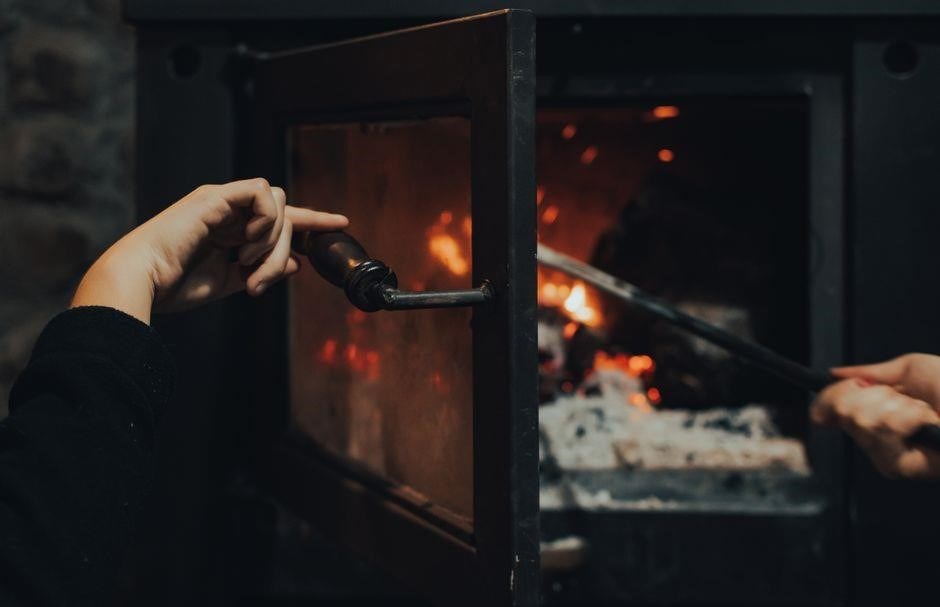
Superior Fireplaces offers a range of certified, EPA‑approved models such as the BC‑36/42‑2 and DRL4500 series. All units meet ANSI/UL 127 and EPA Wood‑Burning standards, ensuring safe, efficient indoor combustion. Manuals guide installation, operation, and maintenance. Follow guidelines for use now
Brand Overview and Model Range
Superior Fireplaces has built a reputation for reliable, high‑performance indoor heating solutions. Their product line spans wood‑burning, gas, and hybrid units, all engineered to meet stringent EPA and ANSI/UL 127 standards. The flagship BC‑36/42‑2 series delivers efficient combustion with a catalytic combustor, while the DRL4500 series offers direct‑vent, linear gas options for modern homes. Each model features a sealed combustion chamber, advanced air‑flow controls, and a user‑friendly control panel that allows precise flame and temperature adjustments. Superior’s catalog also includes the WRT3920WS and WCT6940WS models, both EPA‑approved and available in multiple configurations to suit different installation environments. The company’s commitment to safety is evident in its rigorous testing protocols, and all units are accompanied by comprehensive manuals that cover installation, operation, and maintenance. Whether you need a compact, energy‑efficient stove for a single room or a larger, high‑output unit for a multi‑story home, Superior offers a solution that balances performance, safety, and ease of use.
All models carry the EPA Wood‑Burning Fireplace designation (e.g., P/N 900881‑00 REV. B 10/2018 for the WRT3920WS) and are listed on the EPA’s Green Label program. The company also provides French‑language manuals upon request, ensuring accessibility for non‑English speakers. In addition, Superior’s parts catalog includes replacement catalytic combustors, air‑shields, and control modules, all designed for quick, tool‑free installation. The brand’s dedication to customer support is reflected in its online portal, where users can download PDFs, view troubleshooting guides, and request technical assistance. Superior Fireplaces continues to innovate, integrating smart‑home connectivity in newer models to allow remote monitoring and control via mobile apps!
Regulatory Standards and Certifications

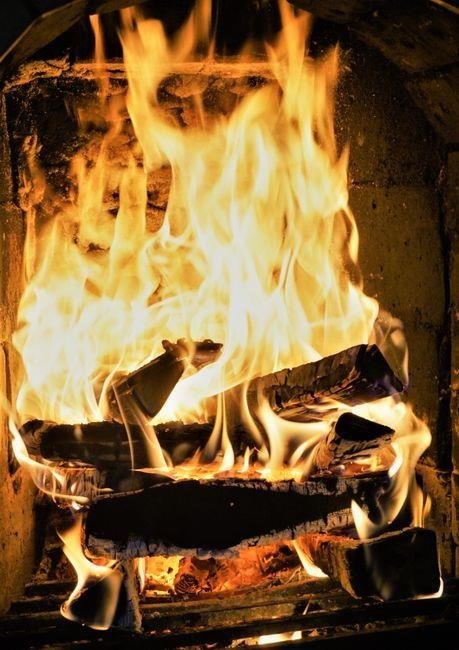
Superior Fireplaces units are fully compliant with EPA Wood‑Burning Fireplace standards, as evidenced by model numbers such as P/N 900881‑00 REV. B (10/2018) for the WRT3920WS and P/N 900790‑00 Rev. G (10/2018) for the WCT6940WS. Each product carries the EPA Green Label designation and is listed on the EPA’s approved catalog, ensuring low emissions and efficient combustion. In addition, all models meet ANSI/UL 127 requirements, providing a recognized safety benchmark for residential heating appliances. Superior’s certification portfolio includes Certificate number 111‑17, which validates compliance with federal emissions limits and fire safety standards. The company’s manuals are available in both English and French upon request, reflecting the brand’s commitment to accessibility and regulatory transparency. Installation instructions explicitly state that these units are approved only for manufactured‑home installations, and they warn that alternative fuels—such as oil—can damage the catalytic combustor, compromising performance and safety. The catalytic combustor is a key component that reduces particulate emissions by up to 90 %, and its proper operation is critical for maintaining certification status. Users are advised to follow the manufacturer’s guidelines for venting, draft control, and air‑supply adjustments to preserve compliance with EPA and ANSI regulations. By adhering to these standards, homeowners can enjoy reliable, efficient heat while meeting all legal and environmental requirements. The EPA certification process involves rigorous testing of combustion efficiency, heat output, and emissions, and Superior’s products routinely pass these tests with margins that exceed minimum thresholds. Additionally, the company participates in the EPA’s Green Label Program, which provides consumers with a clear, trustworthy indicator that the appliance meets or surpasses national environmental standards. For users in regions with stricter local codes, Superior offers supplemental documentation and support to ensure that installations meet both federal and state regulations. The inclusion of a sealed combustion chamber and a high‑efficiency catalytic combustor not only reduces particulate matter but also enhances overall safety by preventing backdraft and limiting the risk of carbon monoxide buildup. These design features, combined with rigorous quality control during manufacturing, underpin Superior’s reputation for delivering appliances that are both environmentally responsible and highly reliable.
Customers can also access detailed compliance reports through Superior’s online portal, which includes emission data, venting diagrams, and step‑by‑step installation checklists. The portal allows installers to verify that venting meets local code requirements and that the appliance is installed within the specified draft range. This level of transparency helps prevent costly retrofits and ensures that every unit operates within its certified parameters.
Finally, Superior’s commitment to continuous improvement is reflected in its ongoing product development, where new models incorporate advanced combustion controls and smart‑home integration, further reducing emissions and enhancing user convenience.

Installation Guidelines
Superior fireplaces require professional installation. Follow EPA and ANSI guidelines, ensuring proper venting, draft control,and clearance. Use only approved materials; oil can damage the catalyst. Verify clearance to walls and ceilings per model specs.
Indoor vs. Manufactured Home Installations
Superior Fireplaces distinguishes between standard indoor installations and those designed for manufactured homes. For conventional indoor units, the manufacturer’s manual specifies a minimum clearance of 12 inches from the front of the unit to any combustible material, 18 inches to the sides, and 24 inches to the ceiling. Ventilation must be achieved through a properly sized chimney or vent pipe that complies with local building codes and the EPA’s venting requirements. The venting system must be free of obstructions, have a continuous slope, and use only approved stainless‑steel or cast‑iron components. Draft control is critical; the manual recommends installing a draft regulator or a vent damper to maintain optimal airflow and prevent backdrafting. These units must be installed in a way that preserves the structural integrity of the home’s frame. The manual specifies that the fireplace must be mounted on a noncombustible base, and the venting system must be sealed with fire‑resistant materials. Because manufactured homes often have limited space, the venting must be routed through the roof or sidewall using a direct‑vent system rated for the specific model. The manual also stresses that the combustion chamber must be insulated to prevent heat transfer to the home’s structure. Additionally, the manual notes that oil or other non‑approved fuels can damage the catalytic combustor, so only EPA‑approved wood or pellet fuels are permitted. Compliance with the manufacturer’s installation guidelines ensures that the fireplace operates safely, efficiently, and within the legal requirements for both indoor and manufactured‑home settings. All electrical connections must meet the National Electrical Code, and a licensed inspector should verify the installation fast before first use.
Venting and Draft Requirements
Superior Fireplaces mandates that all venting systems be constructed from fire‑resistant materials and meet EPA and ANSI/UL 127 standards. The vent pipe must be a minimum of 4 inches in diameter for the BC‑36/42‑2 series and 6 inches for the DRL4500 series, with a continuous slope of at least 1/4 inch per foot to ensure proper draft. The venting system should be sealed with high‑temperature silicone or fire‑grade sealant to prevent air leaks. Draft control is achieved through a built‑in draft regulator that adjusts airflow based on combustion temperature; the regulator must be calibrated to maintain a draft of 0.5 to 1.5 inches of water column. For manufactured‑home installations, a direct‑vent system is required, with the vent pipe routed through the roof or sidewall and terminated at least 12 inches above the highest point of the roof. The vent must be protected from wind by a vent cap with a wind‑break. The manual specifies that the venting system must be inspected annually for corrosion, cracks, or blockages, and any damaged sections must be replaced with OEM parts. Failure to maintain proper venting can result in carbon monoxide buildup, reduced combustion efficiency, and potential fire hazards. The venting system should also be equipped with a spark arrestor to prevent embers from escaping into the chimney. All venting components must be installed in accordance with local building codes and the manufacturer’s specifications. Adhering to these venting guidelines ensures optimal performance and safety today!
Operation Instructions
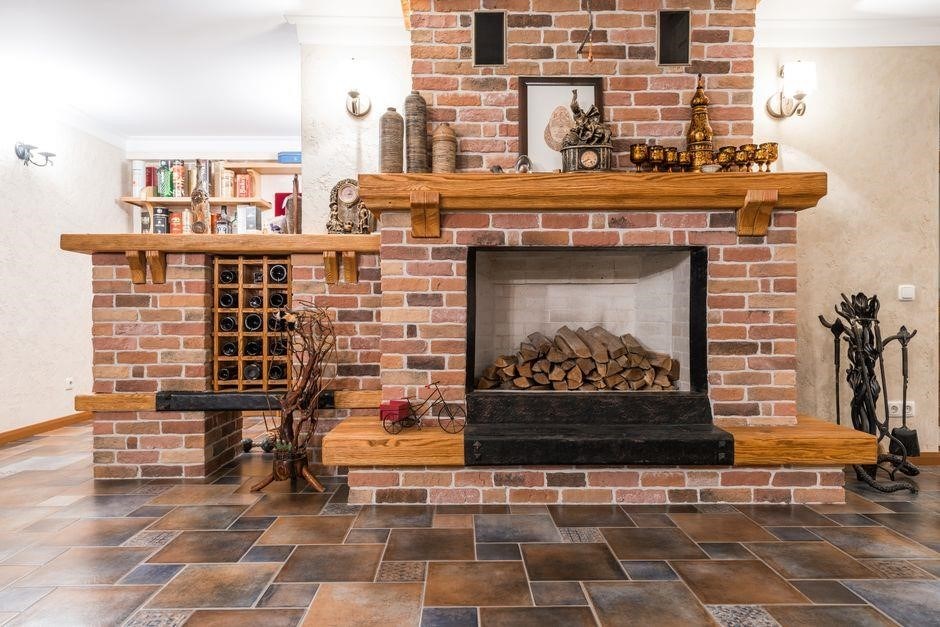
Ignite the fireplace using the built‑in electric igniter. Adjust the air‑control lever to set low, medium, or high flame. Monitor the flame height; it should remain below the vent opening. For safety, keep the area clear of flammable materials. Follow the manual for maintenance. Keep logs dry, use wood.!
Ignition and Combustion Settings
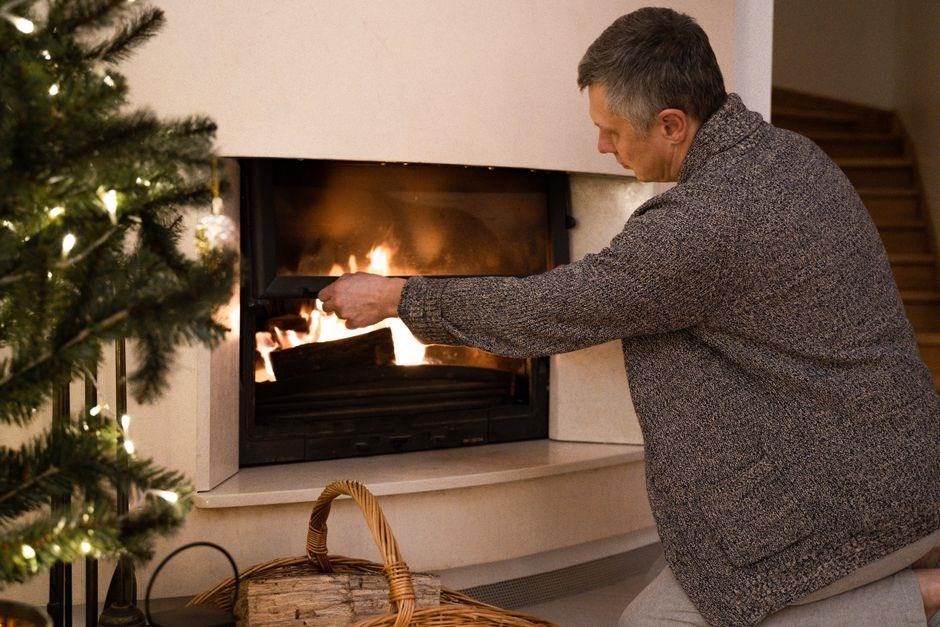
To ignite a Superior fireplace, first ensure the unit is properly vented and the air‑control lever is set to the lowest setting. Turn the ignition switch to “ON” and press the electric igniter button. The pilot flame should ignite within 10–15 seconds. Once the flame is established, gradually increase the air‑control lever to the desired level—low, medium, or high—while observing the flame’s height. The flame should never exceed the vent opening; if it does, reduce the lever immediately. For models equipped with a catalytic combustor, keep the catalyst clean and avoid introducing oil or other liquids that can damage the catalyst. The combustion chamber should remain dry; use seasoned, dry wood only. Maintain a clear zone of at least 3 feet around the fireplace to prevent accidental contact with flammable materials. Follow the manufacturer’s recommended combustion temperature range, typically 800–1,200 °F, to ensure efficient burning and minimal emissions. If the flame flickers or sputters, check the vent for obstructions and verify that the air‑control lever is not set too high. Regularly inspect the pilot light for soot buildup and clean as instructed. Adhering to these ignition and combustion settings will maximize performance and safety for your Superior fireplace. When adjusting the air‑control lever, use a calibrated feeler gauge to ensure precise airflow. The optimal airflow ratio for low flame is approximately 1:1, medium 1.5:1, and high 2:1. The combustion air should be preheated by the heat exchanger to reduce emissions. For manufactured home installations, ensure the venting meets local codes and that the chimney is insulated to prevent heat loss. Always keep the pilot light on during the first 24 hours after installation to allow the catalytic combustor to reach operating temperature. If the flame extinguishes, allow the unit to cool for 30 minutes before attempting reignition. Use a fireproof mat under the fireplace to protect the floor. The manual also recommends periodic inspection of the flue for cracks and sealing with high‑temperature silicone. These steps help maintain optimal combustion efficiency and prolong the life of the fireplace. Always consult the manual for any model‑specific nuances.
Flame Control and Air Supply
Flame control in a Superior fireplace is managed through the air‑control lever and the combustion air supply. Begin with the lever at the lowest setting to ignite a stable pilot flame. Once the pilot is lit, gradually raise the lever to the desired level—low, medium, or high—while watching the flame’s height; it should stay within the vent opening. If the flame climbs above the opening, lower the lever immediately. For models equipped with a catalytic combustor, keep the catalyst clean and avoid oil or other liquids that can damage it. The combustion air is delivered through the vent system; it must be unobstructed and sized to match the fireplace’s BTU rating. Restricted airflow causes incomplete combustion, excess smoke, and carbon monoxide. The optimal airflow ratios are approximately 1:1 for low flame, 1.5:1 for medium, and 2:1 for high. Use a calibrated feeler gauge to adjust the lever precisely. The combustion chamber should be preheated by the heat exchanger, improving efficiency and reducing emissions. In manufactured‑home installations, ensure venting complies with local codes and that the chimney is insulated to prevent heat loss. The manual recommends inspecting the flue annually for lint or debris, sealing cracks with high‑temperature silicone to maintain airflow and safety. Proper flame control not only enhances comfort but also extends the life of the catalytic combustor. Follow the model‑specific guidelines in the manual for efficient, safe operation. Inspect vents annually to ensure safe, efficient combustion and compliance. Use a calibrated feeler gauge for precise air‑control adjustments and monitor flame stability throughout operation and safety!

Maintenance and Safety Procedures
Regular cleaning of the combustion chamber, vent, and catalytic combustor is essential. Inspect for soot buildup, cracks, and ensure proper airflow. Replace damaged parts promptly. Follow EPA and UL guidelines for safe operation and annual inspections. Check cleaning intervals per manual and use newtools.
Regular Cleaning and Inspection
Superior fireplace owners should perform a thorough cleaning cycle each season, beginning with the combustion chamber. Remove all ash and debris with a soft brush, ensuring no residue remains on the heat‑resistant surfaces. Inspect the vent stack for soot buildup; a clean vent allows proper draft and prevents back‑pressure. Check the catalytic combustor for discoloration or cracks; any damage can reduce efficiency and pose a fire hazard. Verify that the air‑supply grates are unobstructed and that the draft regulator is functioning within the manufacturer’s specified range. Use a calibrated thermometer to confirm combustion temperatures stay within the safe operating window. Document each inspection in a maintenance log, noting the date, any anomalies, and corrective actions taken. Replace any worn or damaged components immediately, following the parts list in the official manual. Adhering to EPA and UL 127 standards during cleaning ensures compliance and prolongs unit life. Schedule a professional inspection annually, especially after heavy use or if you notice unusual odors or reduced heat output. Proper maintenance not only enhances performance but also guarantees safety for occupants and property. Additionally, inspect the firebox for any signs of metal fatigue or corrosion, and clean the glass door seals to maintain optimal heat transfer. If the fireplace includes a catalytic combustor, test its effectiveness by measuring the temperature differential across the catalyst; a drop indicates fouling. Use a high‑temperature silicone spray on the firebox walls to protect against future soot adhesion.
Handling of Catalytic Combustors
Superior fireplaces equipped with catalytic combustors require meticulous care to maintain efficiency and safety. Begin by inspecting the catalyst for discoloration or physical damage; any cracks or blackening indicate fouling and should be replaced per the manufacturer’s part list. When cleaning, use a soft brush to remove ash deposits from the catalyst surface, avoiding abrasive tools that could scratch the ceramic coating. After cleaning, re‑install the catalyst, ensuring it sits flush with the combustion chamber walls. Verify that the air‑supply vent remains unobstructed, as restricted airflow can overheat the catalyst and reduce its lifespan. Measure the temperature differential across the catalyst with a high‑temperature probe; a drop below the specified range signals a need for replacement. Do not introduce oil or other combustible liquids into the combustion chamber, as these can damage the catalyst and create hazardous conditions. For long‑term maintenance, schedule a professional inspection annually, especially after heavy usage or if the fireplace exhibits reduced heat output. Keep a log of all catalyst inspections, noting dates, observed conditions, and any corrective actions. By adhering to these guidelines, users can preserve the catalytic combustor’s performance, ensuring efficient combustion and compliance with EPA and UL 127 standards.
Routine checks should verify the catalyst’s mounting integrity daily and ensure no metal fatigue is present during winter, which could compromise safety! ?
Troubleshooting and Parts Replacement
Check for airflow blockages, verify ignition, and inspect the catalyst. Replace faulty parts with the correct P/N. Follow sequence: remove old part, clean mounting surface, install new part, test operation. Contact support if issues persist for safety!!!
Common Operational Issues
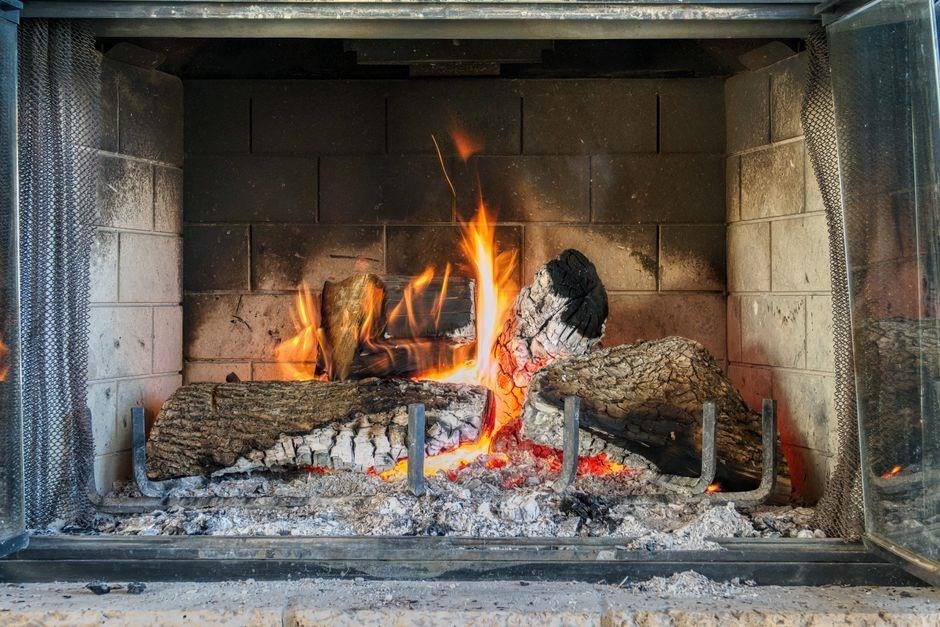
Users often report a few recurring problems with Superior fireplaces. The most frequent is a weak or absent flame, usually caused by insufficient air supply or a clogged catalyst. When the flame is too low, check the air‑shroud setting and ensure the vent is clear of debris. Another common issue is a sudden loss of heat after the unit has been running for a while. This can result from a partially closed damper or a malfunctioning thermocouple that misreads temperature. If the fireplace shuts down abruptly, inspect the thermocouple for corrosion and replace it if necessary. A third problem is excessive smoke or soot buildup inside the combustion chamber. This typically indicates improper combustion or a dirty heat‑exchanger; cleaning the heat‑exchanger and verifying the combustion air ratio can restore normal operation. Finally, many owners notice a persistent odor of burning oil or plastic. This is often due to the use of incompatible fuels or the presence of residual oil in the catalytic combustor. Switching to EPA‑approved wood or using a dedicated oil burner can eliminate the smell. For each issue, consult the troubleshooting section of the user manual and follow the step‑by‑step repair instructions before attempting any electrical work.
Before performing any repair, disconnect the power supply and allow the unit to cool completely. Inspect the vent pipe for cracks or blockages, and verify that the flue is properly sealed. If the fireplace still does not operate, consult the troubleshooting flowchart in the manual or contact customer support for further assistance. and follow safety guidelines!
Ordering Replacement Parts and Manuals
To obtain a replacement part for a Superior fireplace, first identify the exact model and part number. Commonly requested items include the catalytic combustor (P/N 900881‑01) and the thermocouple (P/N 900090‑00). The manufacturer’s website offers a searchable parts catalog; enter the model designation (e.g., BC‑36/42‑2 or DRL4500) and the part number to view availability, pricing, and shipping options. For parts that are no longer in production, contact the customer service team via phone or email; they can provide an equivalent replacement or a refurbished unit. When ordering, be sure to specify the correct fuel type (wood, gas, or oil) and the installation environment (indoor or manufactured home) to avoid compatibility issues. The order form requires the serial number, which can be found on the back of the unit or in the original receipt. If you need a manual, Superior offers downloadable PDFs for most models. Select the “Manuals” tab, choose the model, and click the download link. For non‑English manuals, an additional request can be made by filling out the “Manual Request” form; the company typically supplies French versions upon request. Shipping times vary by location, but most orders are processed within 48 hours. Keep the order confirmation and tracking number for reference, and verify that the received part matches the part number and model before installation. If the part fails to fit or function, return it within the 30‑day return window for a replacement or refund. For any technical questions, the support hotline is available Monday through Friday, 8 a.m. to 6 p.m. local time. Following these steps ensures a smooth replacement process and keeps your fireplace operating safely and efficiently. All orders include a 90‑day warranty on parts. Support will guide you through the replacement process. step by step All parts are shipped with a 90‑day warranty and a 30‑day return policy now